Entry · Ref FRHM6T40
Emergency alert readiness points for managers of lone workers
- Posted
- 2026-11-28
- Last amended
- 2026-11-28
- Account
- @practicalworksafety
Emergency procedures only work when they are clear before an incident happens. For teams with people working alone, testing those procedures means looking beyond the written plan and checking what happens when someone needs help, cannot reach a phone, or is unable to speak clearly.
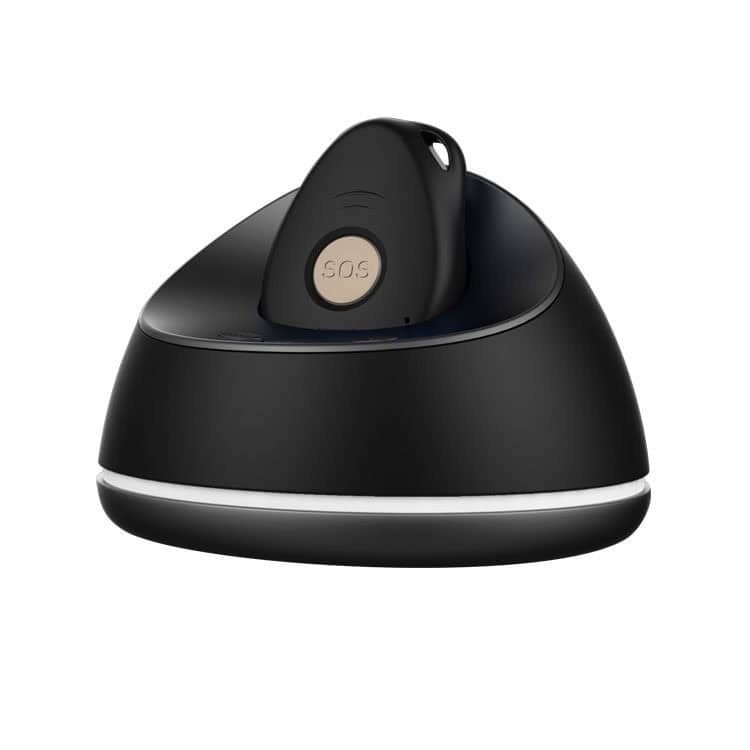
Wearable lone worker alarms can add SOS, GPS location, two-way voice, man down and fall detection alerts to a workplace safety plan. That does not remove the need for a manager to check how alerts are handled, who responds, and what a worker is expected to do in the first moments of a duress event. The points below focus on practical readiness for New Zealand workplaces with lone or remote staff.
Start with the worker's first action
A procedure should be easy to remember under stress. Check that each worker knows how to raise an alert, where the device is carried, and what happens after the alert is triggered. The aim is not to recite a policy word for word. It is to make sure the person can act quickly when their normal routine is interrupted.
Pay attention to ordinary work situations. A worker may be carrying tools, wearing gloves, driving between sites, inside a noisy shed, or moving between buildings with poor mobile coverage. If the procedure only works when everything is calm and the phone is in a pocket, it may fail when it matters. Ask workers to describe what they would do if they felt unsafe, became injured, or lost communication with their nominated contact.
Check the alert route, not just the device
An alert is only useful if it reaches someone who can act. Map the route from the worker to the response. That route may involve a monitoring contact, a team leader, or another nominated person who can arrange help. The exact arrangement will depend on the workplace, but every person involved should know their role before an emergency call comes through.

Check contact details, availability and escalation paths. If the first contact is unavailable, who is next? If the worker cannot answer questions, can the response still proceed? A two way voice alarm can allow a controller or contact to speak with the worker, but voice contact is not always possible. The plan should still support a response when there is no answer, when speech is unclear, or when location information is delayed.
Points to check before relying on the procedure
- Can the alert be raised quickly? A panic button should be reachable in the situations where the worker is exposed, not left in a bag, a vehicle, or a locked office.
- Does the nominated contact know what to do? The person receiving an alert needs clear instructions for contacting the worker, checking location details and escalating to emergency services or another appropriate response.
- Is two-way voice useful in the actual setting? A worker in a loud or public area may not be able to speak freely. The plan should allow for short answers, agreed code words, or a response without conversation.
- Are location details understood? GPS location can help narrow down where a worker is, but it should be read alongside the site address, access points and any known blind spots.
- Are fall and man down alerts part of the response plan? These alerts need a defined action, especially when the worker cannot confirm that they are safe.
A SOS panic button is not a complete procedure on its own. It starts a chain of decisions, and each link should be tested in a way that suits the work environment. For some teams, that may mean a quiet desk exercise where people talk through the sequence. For others, it may mean a controlled drill that checks whether the right people receive the alert and understand the next step.
Test communication under realistic conditions
Voice communication can change the value of an alert. It can confirm whether a worker is safe, clarify a location, or help assess the level of threat. It can also be limited by noise, poor signal, privacy concerns or a worker's condition after a fall. During a test, focus on whether the contact can obtain enough information without putting the worker at greater risk.
Simple prompts can help. A worker might be able to confirm a safe location, say whether someone else is nearby, or use a pre-agreed phrase that signals trouble. Avoid building a process that depends on long conversations. In a duress event, short and predictable exchanges are easier to handle. If a worker cannot speak, the response should not pause for repeated voice attempts when other signs already indicate a problem.
Also check what happens when the worker's device is not close by. Devices are carried differently across roles. A person visiting a client, walking a boundary, working late, or moving between sites may have a routine that changes throughout the day. The procedure should account for that rather than assuming one fixed pattern.
Review location and coverage limits
GPS location is valuable, but it is not the same as a precise address. Indoors, among tall buildings, in dense bush, or near levels and basements, location data may be less useful. Managers should identify where workers spend time and note places where location detail may be weaker. This is not a technical problem for workers to solve on the spot. It is a planning issue that belongs in the procedure.
The same applies to mobile coverage. If an area has patchy service, the team needs a clear approach for that work. That might include changing communication intervals, agreeing check-in times, or using a different safe work method. A device that relies on connectivity should not be treated as the only control in an area where connectivity cannot be assumed.

Check how site addresses are recorded as well. A worker may know a location by a local name, gate number or informal description, while a response contact may need a street address and access instructions. Keeping those details current reduces confusion during an emergency call.
Look at the response after the first contact
Many procedures focus on raising the alert and forget what follows. A useful test asks what the nominated contact does next. Does the contact call emergency services, notify a supervisor, attempt voice contact, or follow a site-specific escalation path? Are there thresholds based on the type of alert, such as a manual press, a fall detection alert or a man down notification?
The second SOS panic button reference here is a reminder that the same device action can lead to different responses depending on context. A worker who presses after feeling threatened may need a quiet confirmation process. A worker who has fallen and cannot respond may need immediate escalation. The procedure should not treat every alert as identical when the risks are different.
Record what happens during a test in plain language. Note whether the alert reached the right person, whether the response was timely, and whether any step caused confusion. Keep the record focused on the process, not on blaming an individual. Emergency procedures improve when problems can be raised without fear.
Keep the plan usable for the people doing the work
A procedure that sits in a folder is not enough. Workers need to understand it, contacts need to recognise their responsibility, and managers need to revisit it when roles, sites or work patterns change. Short, regular checks are often more useful than a long document that nobody reads after induction.
Choose words and steps that match the workplace. If staff already use certain terms for locations, shifts or reporting lines, use those terms in the procedure. If a site has restricted access, note who can arrange entry. If work happens after hours, make sure the response path still works after hours. These details are ordinary, but they shape whether an alert leads to help.
Know when a problem needs specialist input
Some safety issues should not be handled as a quick procedural fix. If a workplace involves gas, mains electricity, work at height, sealed or pressurised systems, chemicals, or vehicle safety components, those hazards need proper assessment. Simple written checks can identify warning signs, but repairs or changes to protective systems are a job for a qualified professional.
The same principle applies to emergency technology. If a device, mounting method or communication setup appears unreliable, do not rely on tape, improvised adjustments or bypassing a safety feature to make it work. Remove the uncertainty from the procedure and have the issue assessed by someone qualified to deal with it.
Good emergency readiness is built from small, repeatable checks. When each alert has a clear path, each contact knows their role, and each worker knows what to do without a script, the procedure becomes easier to follow under pressure. That is the practical value of testing it before an incident forces the question.